
Pop art
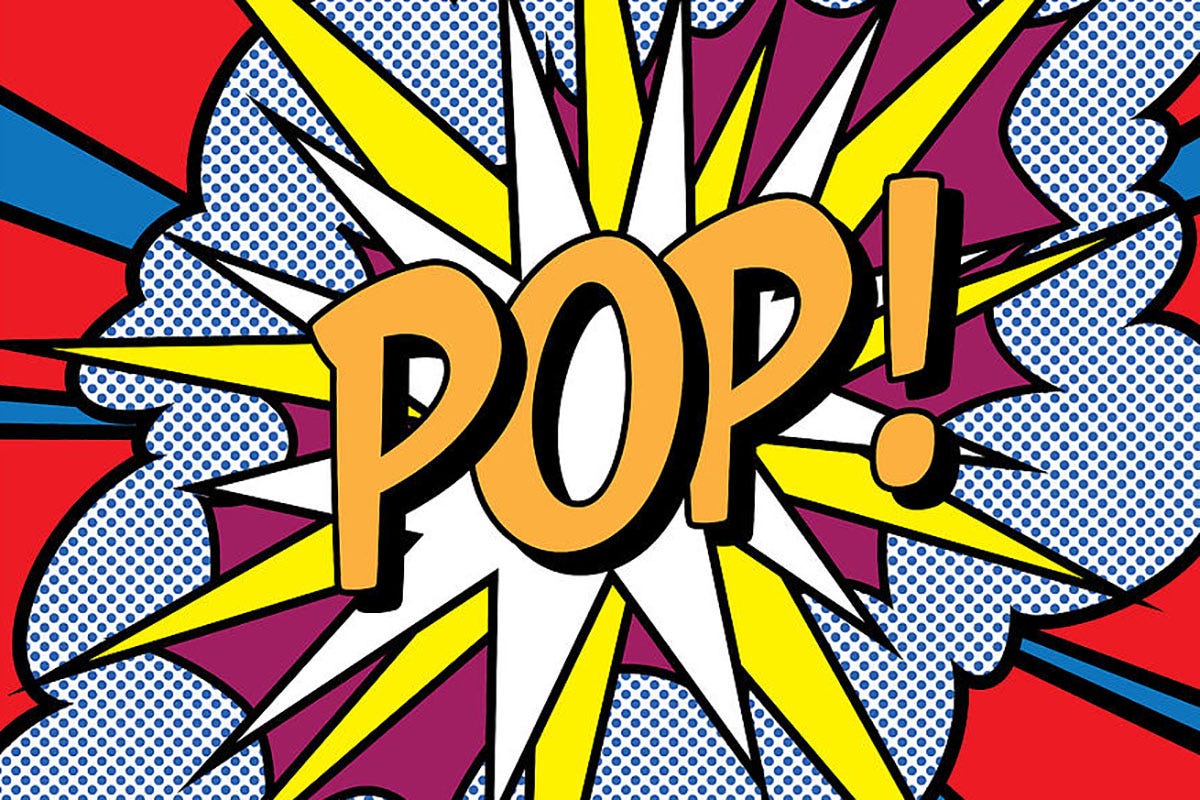
Pop art is a movement that first appeared in the United States and the United Kingdom in the middle to late 1950s. By using images from popular and mass culture—such as advertisements, comic strips, product packaging, celebrities, and common consumer goods—into paintings, sculptures, and prints, the movement posed a challenge to fine art traditions. Pop art blurred the lines between high and low culture by elevating the commonplace, the kitschy, and the mass-produced to the realm of high art.It is also linked to the usage of rendering techniques or mechanical ways of replication by artists. Pop art occasionally involves the visual removal of content from its recognizable context, its isolation, or its combination with unrelated content. Artists like Eduardo Paolozzi and Richard Hamilton, who used collage and painting to investigate American commercial iconography and postwar media culture, were the pioneers of the genre in Britain. By using commonplace items and commercial symbols in their artwork, American artists like Larry Rivers, Ray Johnson, Robert Rauschenberg, and Jasper Johns established significant precedents. The movement gained worldwide recognition by the early 1960s thanks to individuals like Andy Warhol, Roy Lichtenstein, and Tom Wesselmann. Irony, ambiguity, and a critical understanding of consumer culture are all connected to pop art. Some pieces raise concerns about the homogenizing effects of mass production and media saturation, while others seem to celebrate the glossy surfaces and plenty of postwar capitalism. Pop art refocused attention on commonplace imagery and commercial design and was often perceived as both a response to and an extension of abstract expressionism. Pop art anticipated later advances in postmodern art while referencing Dada's predecessors through its embrace of found imagery and commercial aesthetics. It changed the visual vocabulary of contemporary art by blurring the lines between elite and popular culture, originality and replication, and art and commodities.
Origins
Pop art's beginnings in North America evolved significantly from those in Great Britain. Pop art, which represented a return to representational and hard-edged composition, arose in the United States as a response by artists. In order to "defuse" the intimate symbolism and "painterly looseness" of abstract expressionism, the artists used irony, parody, and impersonal, everyday reality. Certain pieces by Man Ray, Alex Katz, and Larry Rivers foreshadowed pop art in the United States. Pop art, on the other hand, had more scholarly beginnings in post-war Britain, even though it included irony and parody. British artists concentrated on the dynamic and contradictory imagery of American popular culture as potent, deceptive symbolic devices that were simultaneously enhancing societal wealth and altering entire life patterns. Certain pieces by Man Ray, Alex Katz, and Larry Rivers foreshadowed pop art in the United States. Pop art, on the other hand, had more scholarly beginnings in post-war Britain, even though it included irony and parody. British artists concentrated on the dynamic and contradictory imagery of American popular culture as potent, deceptive symbolic devices that were simultaneously enhancing societal wealth and altering entire life patterns.
Considered the forerunner of the pop art movement, the Independent Group (IG) was established in London in 1952. They were a collection of young painters, sculptors, architects, authors, and critics who were questioning both conventional notions of high art and dominant modernist approaches to culture. The ramifications of pop culture from aspects like science fiction, technology, comic strips, cinema, mass advertising, and product design were the main topic of their group talks. Eduardo Paolozzi, a sculptor, artist, and co-founding member of the Independent Group, gave a talk at the group's inaugural meeting in 1952 utilizing a set of collages called Bunk! that he had put together between 1947 and 1949 while he was living in Paris. American popular culture was mostly portrayed by this collection of "found objects" that included advertisements, comic book characters, magazine covers, and other mass-produced images. Paolozzi's I was a Rich Man's Plaything (1947), one of the collages in that exhibition, features the first usage of the term "pop" as it appears in a cloud of smoke rising from a pistol. The IG's primary focus after Paolozzi's groundbreaking 1952 presentation was American popular culture imagery, especially mass advertising. They were a collection of young painters, sculptors, architects, authors, and critics who were questioning both conventional notions of high art and dominant modernist approaches to culture. The ramifications of pop culture from aspects like science fiction, technology, comic strips, cinema, mass advertising, and product design were the main topic of their group talks. Eduardo Paolozzi, a sculptor, artist, and co-founding member of the Independent Group, gave a talk at the group's inaugural meeting in 1952 utilizing a set of collages called Bunk! that he had put together between 1947 and 1949 while he was living in Paris.

Whaam 1963 By Roy Lichtenstein
The phrase "pop art" was then used as a pseudonym in debates by IG members during the Second Session of the IG in 1955. In 1956, IG members Alison and Peter Smithson published an essay titled "But Today We Collect Ads" in Ark magazine, which was the first time the term was used in print. Despite using the exact phrase "popular mass culture," British art critic and curator Lawrence Alloway is frequently given credit for coining the phrase in his 1958 essay The Arts and the Mass Media. Moreover, what I meant to say back then is different from what I mean now. I used the phrase and "Pop Culture" to describe media items rather than artistic creations that reference. In any event, the phrase became popular in conversation somewhere between the winter of 1954–55 and 1957. Alloway, however, was among the most prominent reviewers to support the use of popular culture motifs in high art. When Alloway defined these concepts in 1966, pop art had already evolved from small galleries and art schools to become a significant force in the art world. It had not, however, been successful in England. New York City had emerged as the epicenter of pop art almost simultaneously and independently.American pop influences were first displayed in London in 1960 at the annual Royal Society of British Artists (RBA) exhibition of emerging talent. The most well-known RBA-Young Contemporaries of all time placed David Hockney, American R B Kitaj, New Zealander Billy Apple, Allen Jones, Derek Boshier, Joe Tilson, Patrick Caulfield, Peter Phillips, Pauline Boty, and Peter Blake on the map in January 1961. Apple created the invitations and posters for the exhibitions in 1961 and 1962. Blake, Kitaj, and Hockney went on to win awards at Liverpool's John-Moores Exhibition that same year. During the 1961 summer holiday at the Royal College, Apple and Hockney went to New York together, and it was during this trip that Apple first got in touch with Andy Warhol. American pop influences were first displayed in London in 1960 at the annual Royal Society of British Artists (RBA) exhibition of emerging talent. The most well-known RBA-Young Contemporaries of all time placed David Hockney, American R B Kitaj, New Zealander Billy Apple, Allen Jones, Derek Boshier, Joe Tilson, Patrick Caulfield, Peter Phillips, Pauline Boty, and Peter Blake on the map in January 1961. Apple created the invitations and posters for the exhibitions in 1961 and 1962. Blake, Kitaj, and Hockney went on to win awards at Liverpool's John-Moores Exhibition that same year. During the 1961 summer holiday at the Royal College, Apple and Hockney went to New York together, and it was during this trip that Apple first got in touch with Andy Warhol.
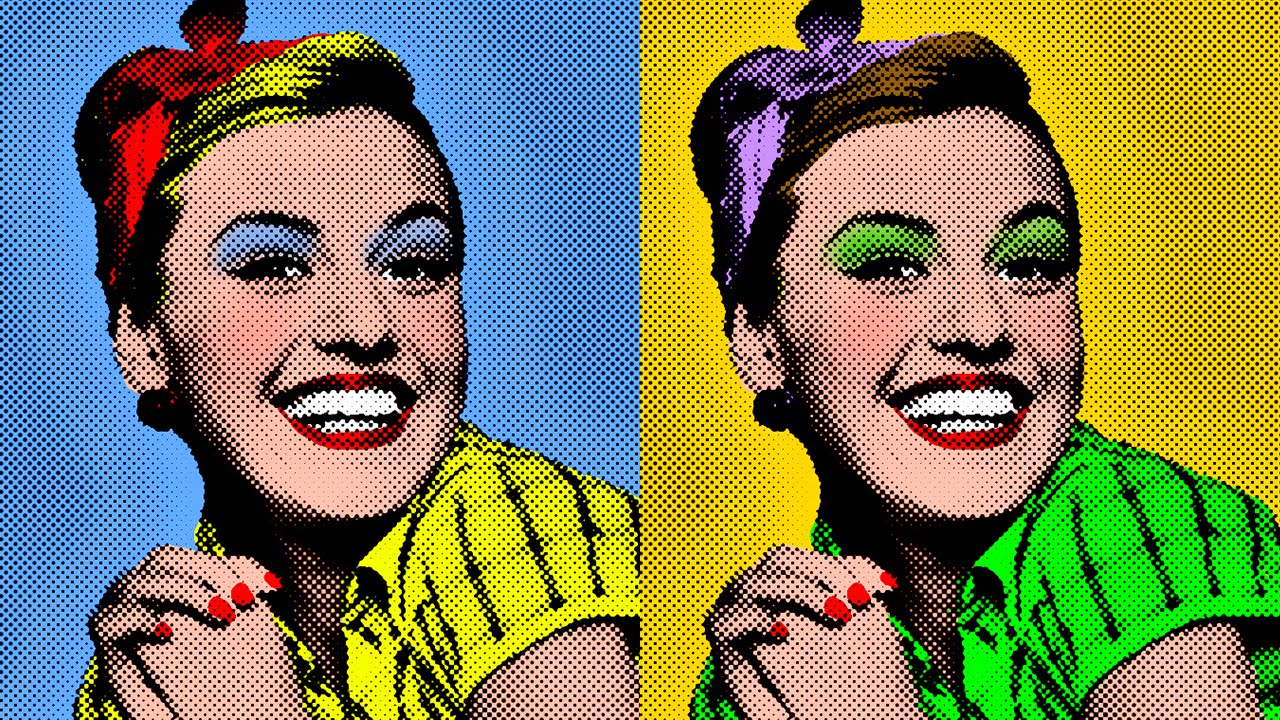
Pop art got its biggest boost in America in the 1960s, despite having started in the early 1950s. The New York Times saw the rise of what was then referred to as "Pop" or "Environmental" art in an August 1962 review of an exhibition at the Wadsworth Atheneum in Hartford. The article included a survey of contemporary American art taken from significant Connecticut collections. The critique focused on Andy Warhol's repeating Campbell's soup cans, Roy Lichtenstein's comic-strip imagery, and James Rosenquist's painting inspired by billboards. Instead of characterizing these developments as fleeting provocations, it described them as "big steps towards art that is socially to the point," indicating early critical identification of pop art's embracing of mass culture and its challenge to Abstract Expressionism. The Museum of Modern Art hosted a "Symposium on Pop Art" in December 1962, which marked the official introduction of the term "pop art." By this point, modern art had been incorporated into American advertising, which was operating at a very advanced level. As a result, American painters had to look further for dramatic approaches that would separate art from the sophisticated and well-designed commercial materials. The British had romantic, emotional, and hilarious connotations in their perceptions of American popular culture images because they saw it from a relatively detached angle. American artists, on the other hand, created work that was typically bolder and more aggressive because to their daily exposure to the variety of mass-produced imagery.

"Ray Johnson's collages Elvis Presley No. 1 and James Dean stand as the Plymouth Rock of the Pop movement," according to historian, curator, and critic Henry Geldzahler. According to author Lucy Lippard, "The Elvis ... and Marilyn Monroe [collages] ... heralded Warholian Pop." As the founder of his "New York Correspondence School," Johnson worked as a graphic designer and went on to become renowned as the father of mail art. Unlike his peers, he worked small by cramming drawings and clippings into envelopes. "Jasper Johns' first one-man show ... places him with such better-known colleagues as Rauschenberg, Twombly, Kaprow and Ray Johnson," according to a comment regarding the cover image of Art News' January 1958 issue. In fact, the painters Robert Rauschenberg and Jasper Johns were two more significant figures in the development of the American pop art lexicon. Kurt Schwitters and other Dadaists' earlier work had an impact on Rauschenberg, and his conviction that "painting relates to both art and life" went against the prevailing modernist viewpoint of his day. His use of pop culture iconography in his paintings and discarded ready-made products in his compositions linked his artwork to current happenings in ordinary America. Silkscreened magazine clippings from Life, Newsweek, and National Geographic were merged with expressive brushwork in the 1962–64 works. Johns brought attention to issues of representation in art through his paintings of flags, targets, numerals, maps of the United States, and three-dimensional representations of ale cans.
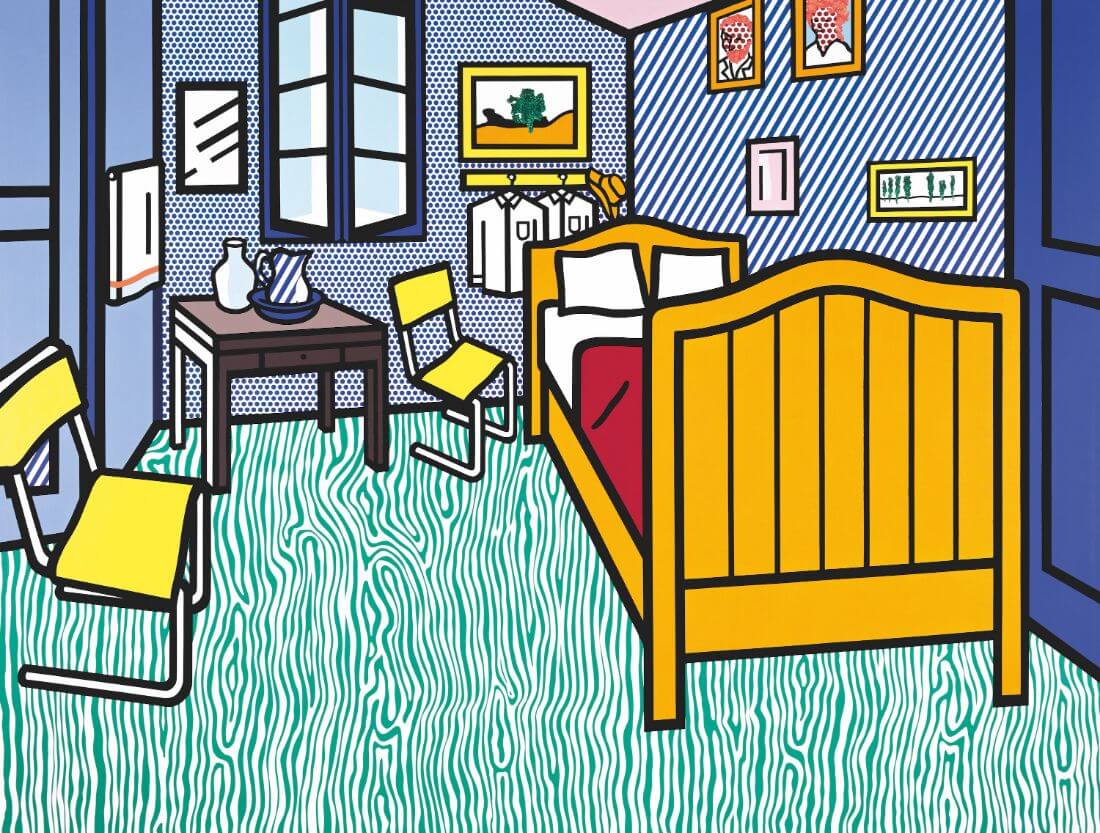
Bedroom At Arles - Roy Lichtenstein - Modern Pop Art Painting
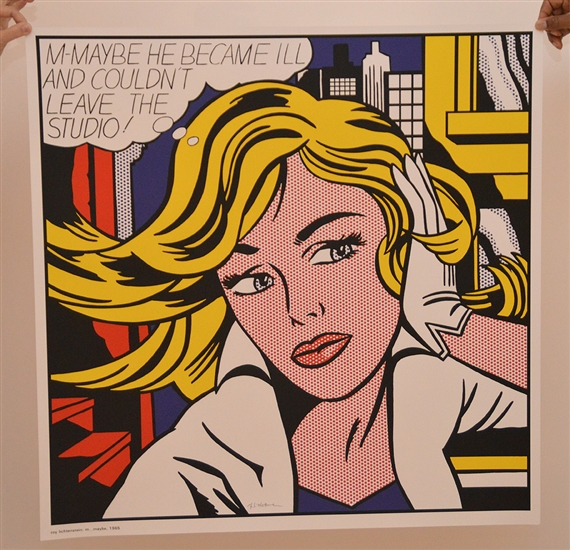
American pop art and Roy Lichtenstein are equally significant. The fundamental idea of pop art is probably best defined by his work and its use of parody. By choosing the classic comic strip as his subject, Lichtenstein creates a crisp, hard-edged composition that both documents and subtly parodies. In his most well-known pieces, including Drowning Girl (1963), which was adapted from the main plot of DC Comics' Secret Hearts, Lichtenstein employed oil and Magna paint. His artwork has thick outlines, vibrant colors, and Ben-Day dots to symbolize certain colors, giving the impression that it was produced by photographic reproduction. “Abstract expressionists] put things down on the canvas and responded to what they had done, to the color positions and sizes,” stated Lichtenstein. American pop art and Roy Lichtenstein are equally significant. The fundamental idea of pop art is probably best defined by his work and its use of parody. By choosing the classic comic strip as his subject, Lichtenstein creates a crisp, hard-edged composition that both documents and subtly parodies. In his most well-known pieces, including Drowning Girl (1963), which was adapted from the main plot of DC Comics' Secret Hearts, Lichtenstein employed oil and Magna paint. His artwork has thick outlines, vibrant colors, and Ben-Day dots to symbolize certain colors, giving the impression that it was produced by photographic reproduction. “Abstract expressionists] put things down on the canvas and responded to what they had done, to the color positions and sizes,” stated Lichtenstein.
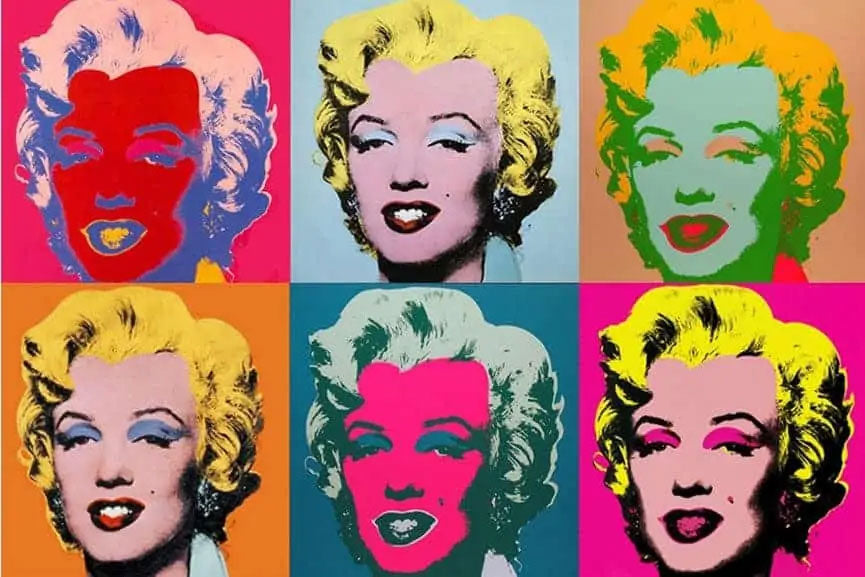
Andy Warhol: The Pop Art Maestro Who Redefined Art
Andy Warhol, who was named the "innovator of pop art" by The Observer in 1964, is considered by many to be the movement's key player. He was reportedly described as "the closest thing to a philosophical genius the history of art has produced" by art critic Arthur Danto." Through his Factory studio and public image, Warhol combined art, notoriety, and economics to transform Pop from a visual style into a cultural phenomenon. Prior to creating pop art paintings and underground films in the 1960s, Warhol was a successful commercial painter who created book and record covers and commercials. Andy Warhol, who was named the "innovator of pop art" by The Observer in 1964, is considered by many to be the movement's key player. He was reportedly described as "the closest thing to a philosophical genius the history of art has produced" by art critic Arthur Danto." Through his Factory studio and public image, Warhol combined art, notoriety, and economics to transform Pop from a visual style into a cultural phenomenon. Prior to creating pop art paintings and underground films in the 1960s, Warhol was a successful commercial painter who created book and record covers and commercials.
Join our classes to enhance & improve your memory skills and let your child unlock the power to retain information from every moment of his/her life!
